
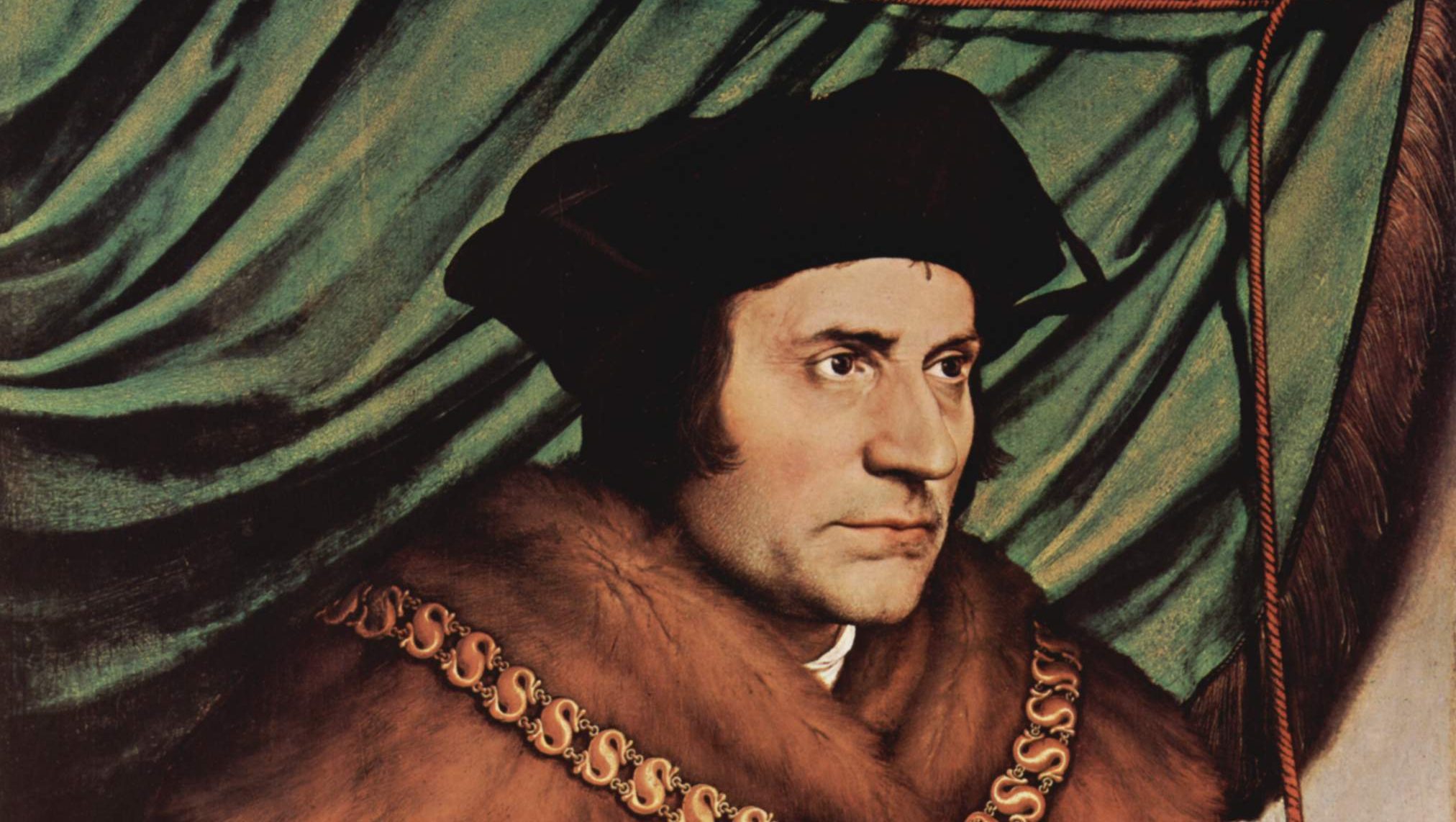
Portraiture as a Political Tool
This essay seeks to examine the portraiture of Charles I as a political device. Portraiture is a powerful primary source because not only does it show us what someone looked like, it also shows us how the sitter wanted us, the Viewer, to perceive them. A good modern translation is the Selfie: one always takes multiple shots from different angles to get what they think is the best iteration of themselves; it’s the one they feel most comfortable with sharing publicly. However, portraiture has historically not been so democratized. Before the advent of photography, few people could afford to hire a painter and acquire the materials needed to create a portrait. And, of course, the prestige of the painter and the quality of materials could vary; the very best of both could only be afforded by the very richest population. Early modern (16th– and 17th-century) portraiture is particularly striking for how it directly communicated the socio-political ambitions of the sitter.
In urban centers like Amsterdam, wealthy mercantile elite used portraiture to communicate their Protestant piety and simultaneous wealth, for example. In this portrait, the sitter (Frans Snyder) wears all black with lace collar and sleeve cuffs. Black was considered to be the simplest, least ostentatious dye. However, it was also the most expensive. The Dutch mercantile elite were very calculated in this choice for their portraits.

However, Britain and Ireland, portraiture was usually the purview high aristocracy and royalty because, as landowners, they occupied the top echelons of their society. Portraits created the image of how they wanted to be perceived but the audience was not always the same: smaller portraits were intended for potential marital matches; larger portraits were meant as statements of their political prowess. Even then, the exact type of political prowess (military, statesman, political philosopher, etc.) could vary from person to person. Hans Holbein the Younger’s portraits are excellent examples.

Subscribe for Part 2 of the Charles I series. In the meantime, try one of our recommended readings here:
SHARE THIS ESSAY
For people who want to understand history, not just know it.
New essays on art, history, and architecture — delivered straight to your inbox.
New essays, no spam, unsubscribe anytime — Privacy Policy.
This site uses Akismet to reduce spam. Learn how your data is processed.
Leave a Reply