
All Essays
Essays
Discover Charlotte’s insights on art history and history, from quick digestible summaries to in-depth scholarly explorations.
-

Edward Hopper’s Nighthawks
Edward Hopper’s painting Nighthawks, created in early 1942, captures the loneliness and anxiety of urban life during World War II. Set in an all-night diner, it portrays a small, divided group of patrons, reflecting a paradoxical desire for connection amidst…
-

Charles I’S Inferiority Complex, Part 4
Charles I’s portraiture evolved throughout his reign, becoming increasingly grandiose. Initially presenting himself as a statesman, he later sought to project strength, military prowess, and wealth, reflecting his belief in divine right. His portraits, particularly those by Van Dyck, reveal…
-

Charles I’s Inferiority Complex, Part 3
Charles I’s reign began in 1625 amid political and religious turmoil, following the death of his father. Despite his ambitions, including wars with Spain and France, his reign was marred by financial deficits and conflicts with Parliament. His refusal to…
-

Charles I’s Inferiority Complex, Part 2
Charles I, ascending to the throne in 1625, was a key patron of the arts, employing Anthony van Dyck for his official portraits. Born in 1600 and afflicted by health issues, he felt overshadowed by his deceased brother. His failed…
-
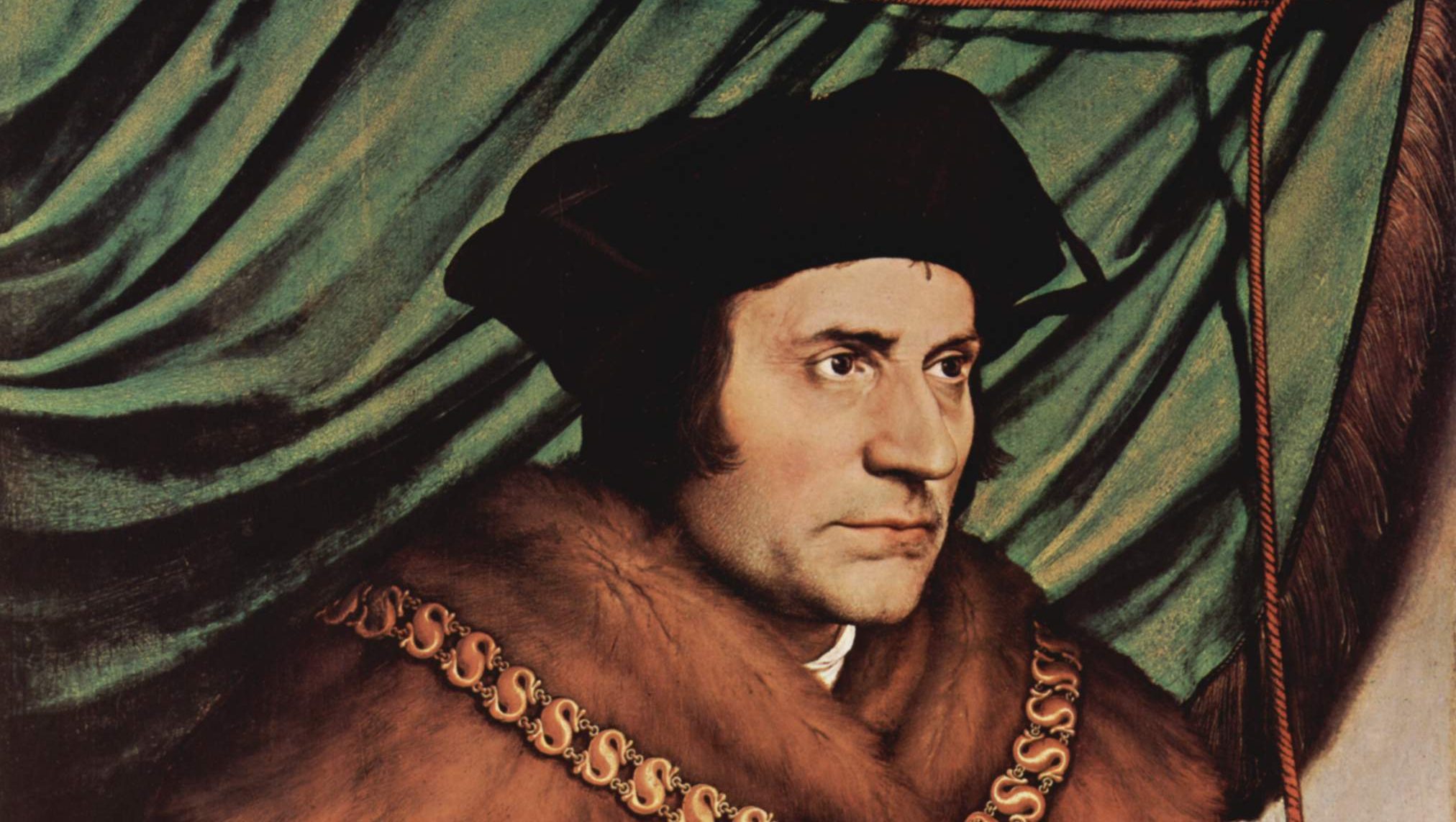
Charles I’s Inferiority Complex, part 1
The essay explores how portraiture, especially that of Charles I, served as a political tool in the 16th and 17th centuries. It discusses how portraits reflected the sitter’s desired public image, revealing socio-political ambitions, particularly among the wealthy elite in…
-
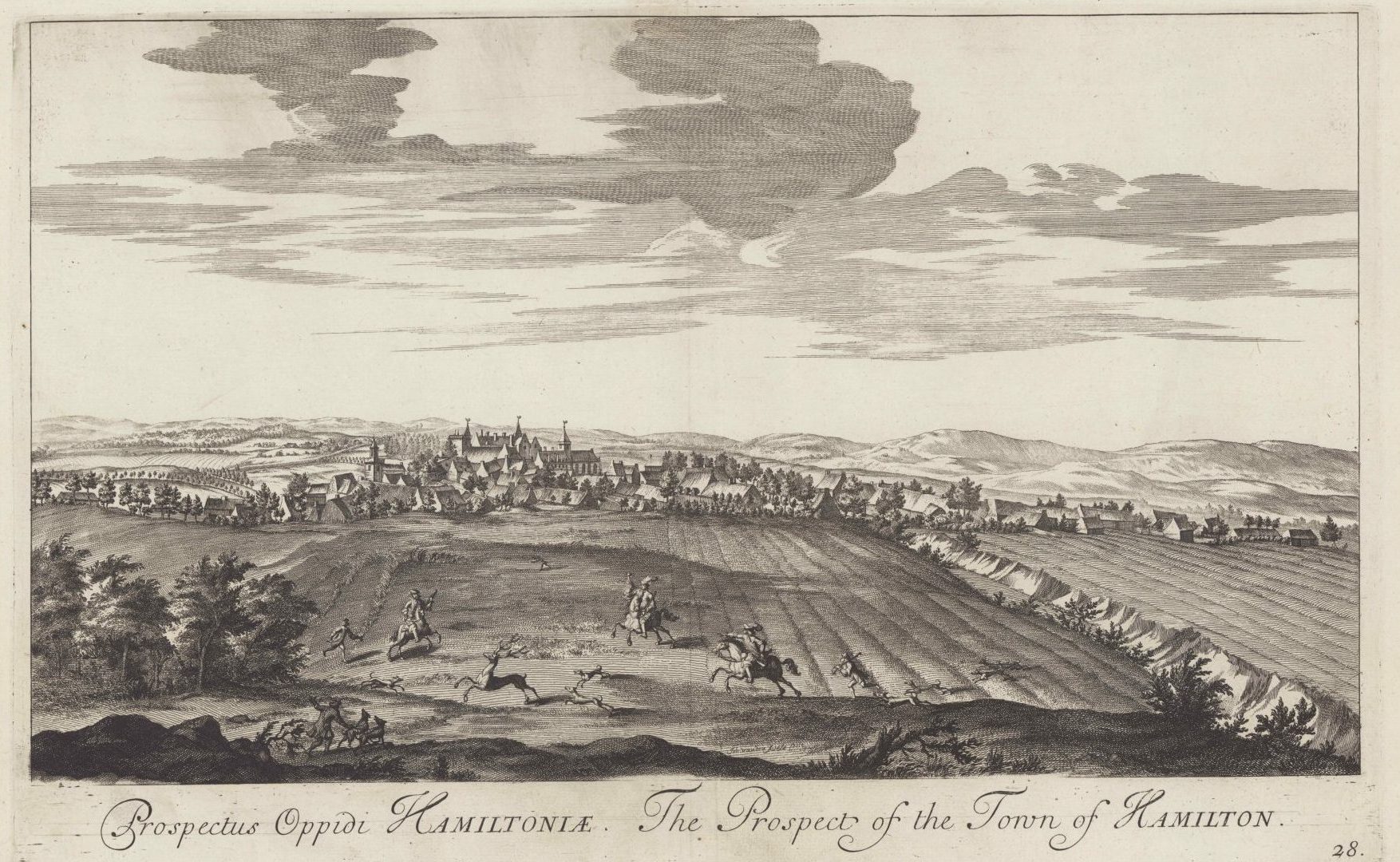
Introducing Hopetoun House, Part 3: Blurring the Lines
Hunting in early modern Scotland was a grand display of social status, intertwined with property rights and land management. Although historically accessible to commoners, stringent laws gradually restricted hunting to the elite. The 1685 Game Act cemented this exclusivity, thereby…
-

Introducing Hopetoun House, Part 2: A Dynamic Complex
Hopetoun House, commissioned in 1698 by Lady Margaret Hope for her son Charles, was designed by Sir William Bruce and completed between 1699 and 1707. Expanded by William Adam, it reflects evolving architectural and social trends in 18th-century Scotland, showcasing…
-
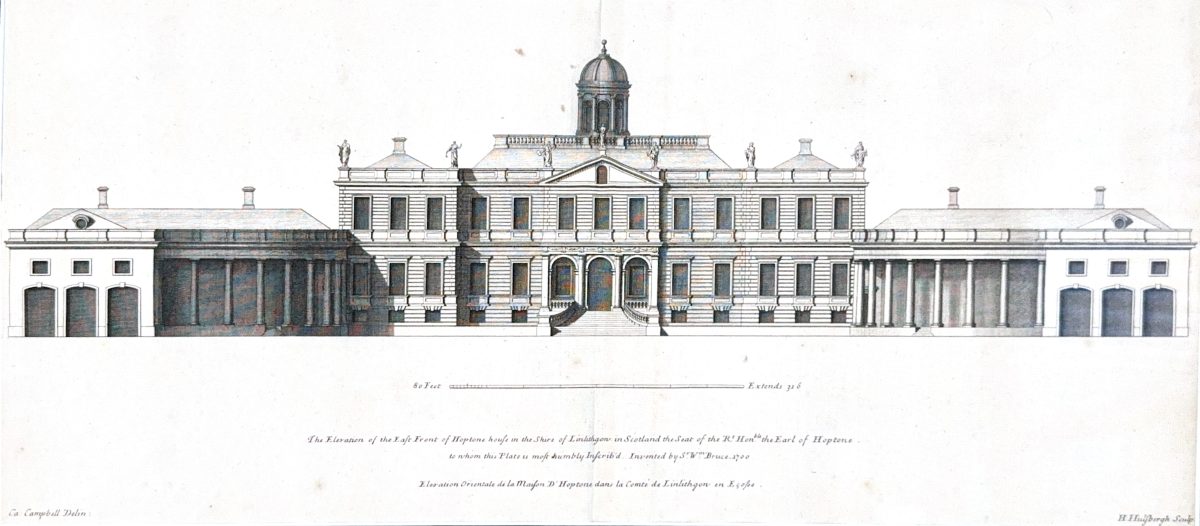
Introducing Hopetoun House, Part 1: Archival Sources
The project examines the eighteenth-century Scottish country house, particularly Hopetoun House, as a reflection of socio-economic shifts during the 1700s. It emphasises the significance of archival research, leveraging extensive materials from the Hopetoun Papers Trust to explore the house’s design,…
-
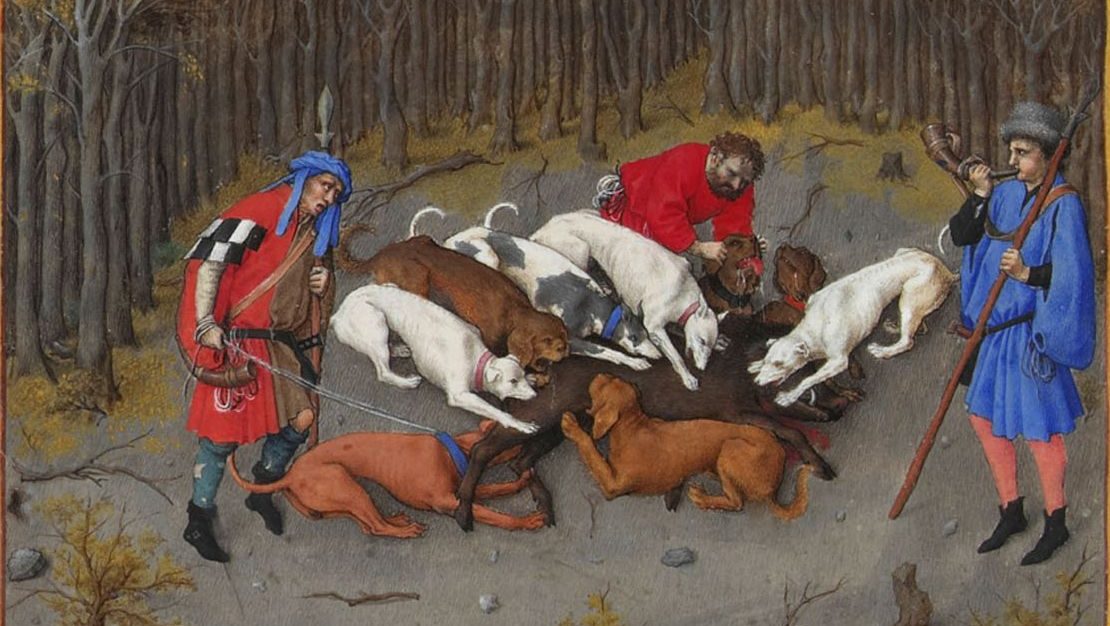
The Very Rich Hours of the duke of Berry, Part 10: December Page
The December page of Les Très Riches Heures du Duc de Berry highlights the significance of boar hunting in noble culture, representing dominance, masculinity, and social ritual. It illustrates hunting’s role in training young aristocrats and reinforcing social hierarchies, alongside…
-

The Very Rich Hours of the duke of Berry, Part 9: October and November Pages
The October and November pages highlight rural life in 15th-century France. October portrays farmers sowing seeds along the Seine, showcasing their struggles with birds and landownership issues. November features truffle hunting with pigs, illustrating historical agricultural practices and the land…
-
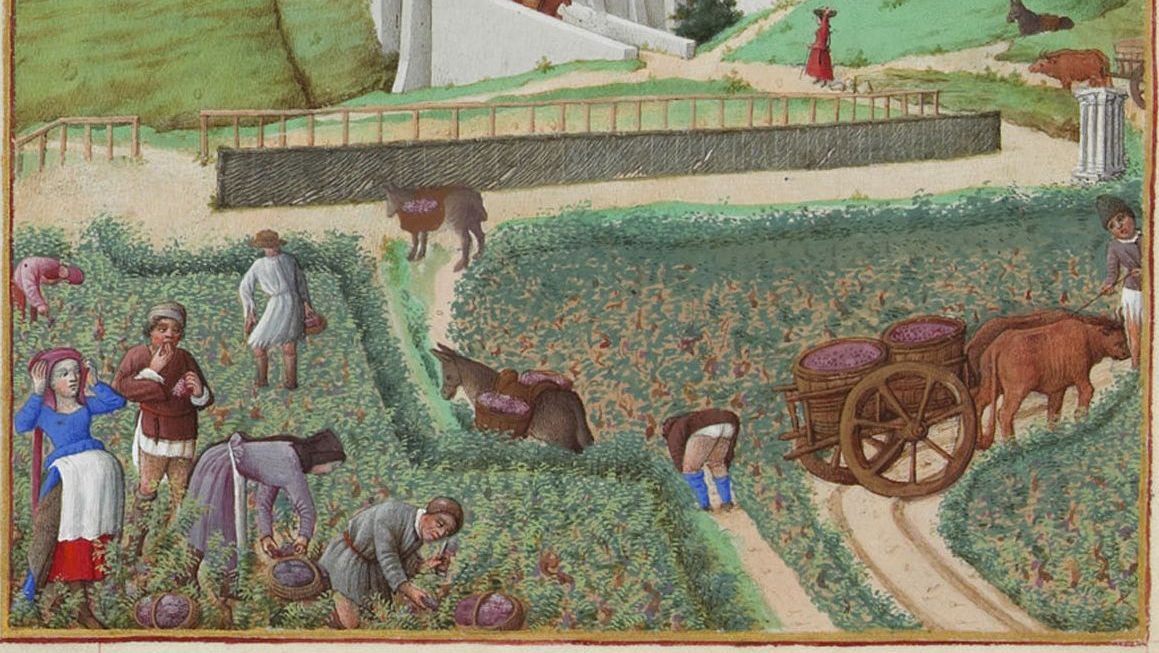
The Very Rich Hours of the duke of Berry, Part 8: September Page
The page illustrates a two-phase painting depicting a grape harvest and knightly jousting, highlighting the stark societal divide in the Middle Ages. Peasants are shown labouring with a voyeuristic tone, while rituals like jousting remain exclusive to the elite. The…
-

The Very Rich Hours of the duke of Berry, Part 7: August Page
This page juxtaposes the aristocracy and the peasantry simultaneously. Aristocrats enjoy the sport of hawking, where spaniels and hawks worked together to capture their prey while mounted hawkers watched. The peasants, meanwhile, harvest grain and swim in the summer heat.…
For people who want to understand history, not just know it.
New essays on art, history, and architecture — delivered straight to your inbox.
New essays, no spam, unsubscribe anytime — Privacy Policy.