
All Essays
Essays
Discover Charlotte’s insights on art history and history, from quick digestible summaries to in-depth scholarly explorations.
-
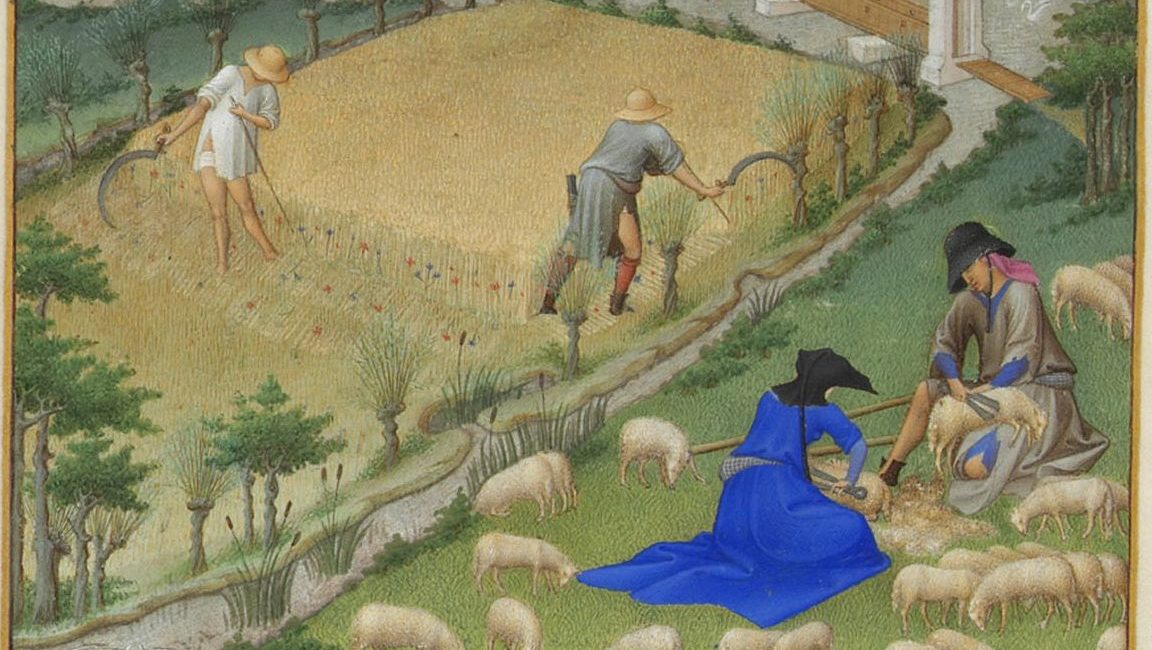
The Very Rich Hours of the duke of Berry, Part 6: July Page
The July page illustrates summer harvest activities and sheep shearing near the Château of Poitiers, enhanced by the duke of Berry. It depicts a thriving agricultural setting, with varied clothing among peasants indicating differing wealth levels. The castle serves a…
-

The Very Rich Hours of the duke of Berry, Part 5: June Page
The June page, created by Barthélemy d’Eyck in the 1480s, illustrates peasant haymaking activities vital for livestock feeding. The scene contrasts the nobility’s attire with peasant clothing, reflecting social hierarchies. It also highlights the agricultural divide from Parisian aristocracy, idealising…
-

The Very Rich Hours of the duke of Berry, Part 4: April & May Pages
The April and May pages illustrate the lives of medieval nobility, highlighting a betrothal and May Day festivities. Marriage served as a political tool, forging alliances, while leisure activities underscored the divide between aristocrats and peasants. Noble attire, extravagant celebrations,…
-

The Very Rich Hours of the duke of Berry, Part 3: March Page
The March page illustrates a peasant scene with Château de Lusignan, highlighting the duke of Berry’s influence. Peasants prepare land for planting, reflecting medieval agricultural practices. The shift from feudalism to tenancy is evident, as communal farming remains vital. This…
-

The Very Rich Hours of the duke of Berry, Part 2: February Page
The February page of Les Très Riches Heures du Duc de Berry presents a peasant scene contrasting with January’s depiction. It features vulgarly depicted peasants by a fire. Surrounding elements highlight their subservient lifestyle under the duke of Berry, amidst…
-

The Very Rich Hours of the duke of Berry, Part 1: January Page
The January page of Les Très Riches Heures du Duc de Berry illustrates the duke at an extravagant Epiphany feast, showcasing medieval traditions of communal dining and social hierarchy. It reflects the duke’s status, confidence, and piety in his prayer…
-

The Very Rich Hours of the duke of Berry, Part 0: Key Background
Les Très Riches Heures du Duc de Berry is a 15th-century illuminated manuscript, significant for its artistic beauty and insights into late medieval Europe. Owned by Jean, Duke of Berry, it serves as a book of hours for personal piety.…
-

Leonardo Da Vinci’s The Last Supper, part 3: Let’s talk about it!
Santa Maria delle Grazie, funded by Milan’s dukes, was strategically located to attract pilgrims and merchants. The friars in the refectory aimed for spiritual sustenance through simple meals and biblical readings. Leonardo’s Last Supper, a trompe l’oeil artwork, reflects this…
-
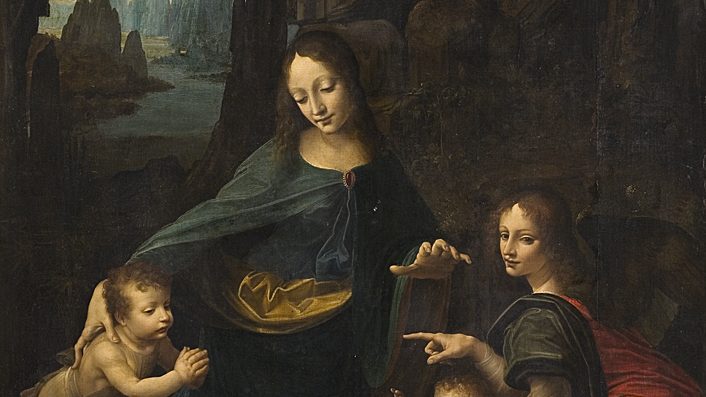
Leonardo da Vinci’s The Last Supper, part 2: Who were the Mendicants?
The painting’s significance is tied to Leonardo da Vinci’s pursuit of illusionism and its historical placement in the Dominican convent of Santa Maria delle Grazie, Milan. The Dominicans aimed to engage the public and push for reform through poverty and…
-

Leonardo da Vinci’s The Last Supper, part 1: Let’s Rethink This Piece. Pretty Please.
This essay examines Leonardo da Vinci’s Last Supper, highlighting its significance in popular culture and art history. It criticises superficial analyses influenced by conspiracy theories and emphasises the importance of historical context. The painting, created in the late 15th century…
-
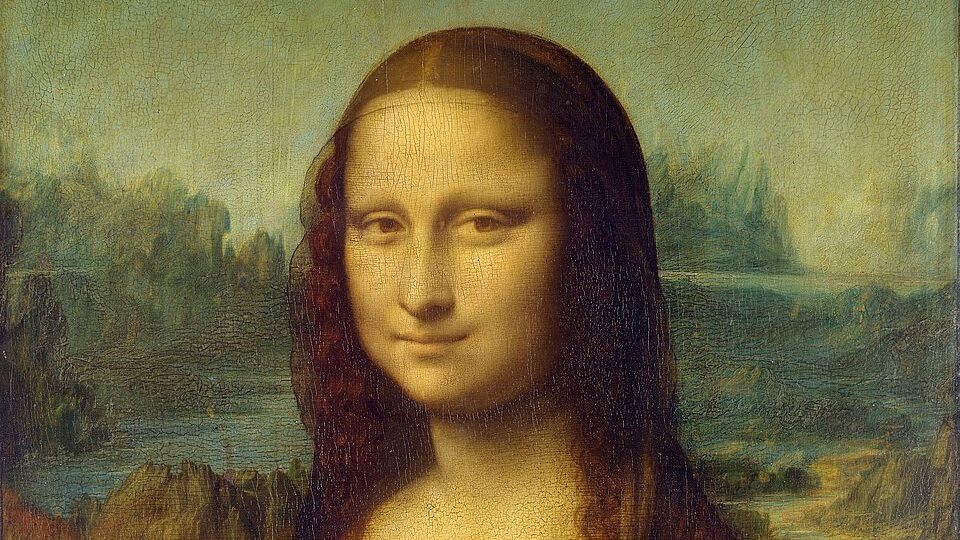
Mona Lisa is not Mysterious or Enigmatic, part 4: Let’s Talk about Mona Lisa Finally!
The Mona Lisa, painted by Leonardo da Vinci in the early 1500s, showcases his mastery in creating depth and humanity through techniques like sfumato. Celebrated for its unique portrayal of emotion and artistry, the painting gained fame after its theft…
-

Mona Lisa is not Mysterious or Enigmatic, part 3: Portraiture in the Middle Ages and Early Renaissance
The text explores the emergence of Humanism during the medieval-Renaissance period, highlighting the influence of Antiquity on intellectual creativity. It discusses the impact of the Bubonic Plague on society and the connection between personal piety and art, particularly in donor…
For people who want to understand history, not just know it.
New essays on art, history, and architecture — delivered straight to your inbox.
New essays, no spam, unsubscribe anytime — Privacy Policy.