
All Essays
Essays
Discover Charlotte’s insights on art history and history, from quick digestible summaries to in-depth scholarly explorations.
-
 4–6 minutes
Edward Hopper’s Nighthawks
Edward Hopper’s painting Nighthawks, created in early 1942, captures the loneliness and anxiety of urban life during World War II. Set in an all-night diner, it portrays a small, divided group of patrons, reflecting a paradoxical desire for connection amidst…
-
 4–6 minutes
Charles I’S Inferiority Complex, Part 4
Charles I’s portraiture evolved throughout his reign, becoming increasingly grandiose. Initially presenting himself as a statesman, he later sought to project strength, military prowess, and wealth, reflecting his belief in divine right. His portraits, particularly those by Van Dyck, reveal…
-
 4–6 minutes
Charles I’s Inferiority Complex, Part 3
Charles I’s reign began in 1625 amid political and religious turmoil, following the death of his father. Despite his ambitions, including wars with Spain and France, his reign was marred by financial deficits and conflicts with Parliament. His refusal to…
-
 2–4 minutes
Charles I’s Inferiority Complex, Part 2
Charles I, ascending to the throne in 1625, was a key patron of the arts, employing Anthony van Dyck for his official portraits. Born in 1600 and afflicted by health issues, he felt overshadowed by his deceased brother. His failed…
-
 2–3 minutes
Charles I’s Inferiority Complex, part 1
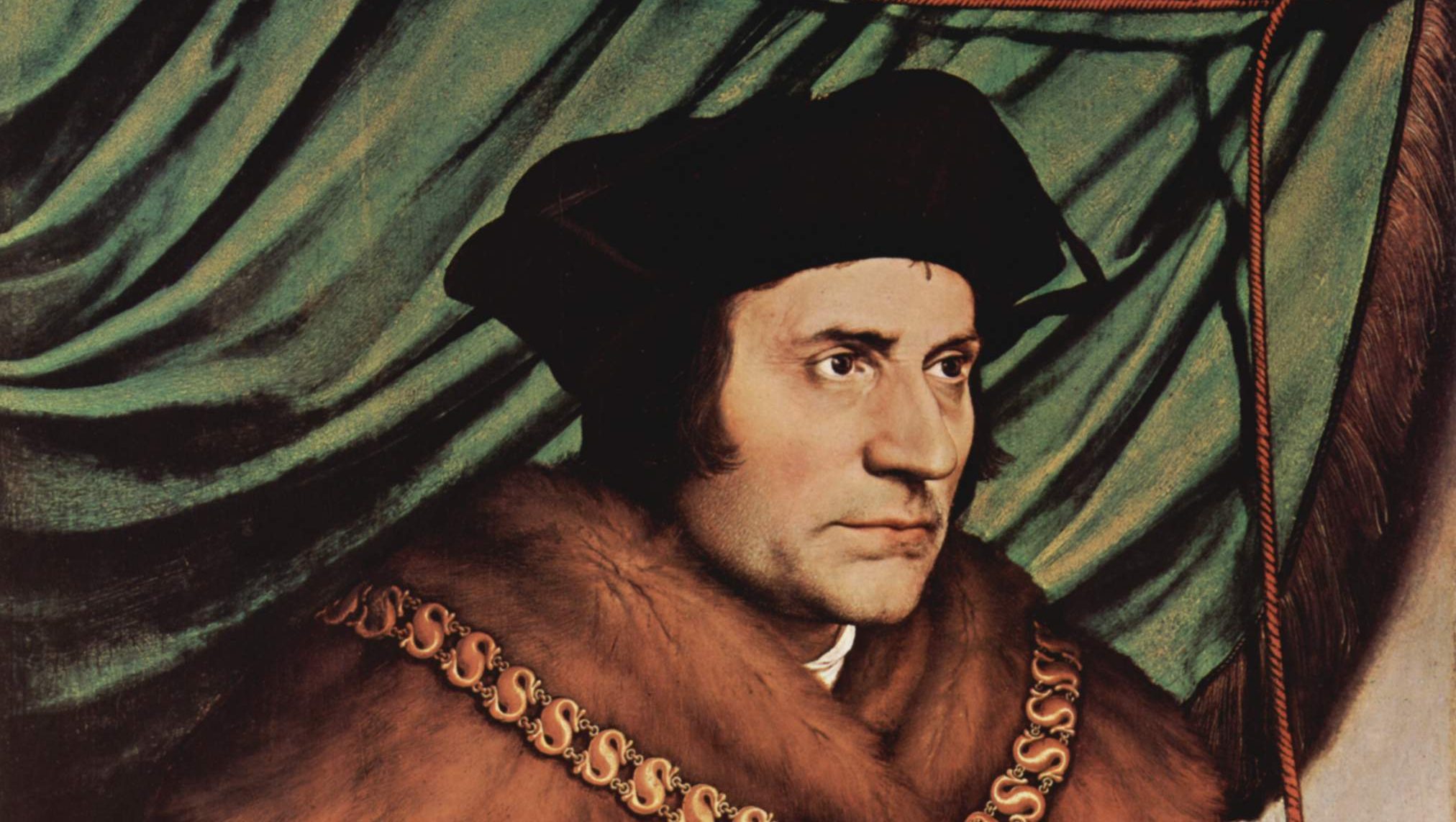
The essay explores how portraiture, especially that of Charles I, served as a political tool in the 16th and 17th centuries. It discusses how portraits reflected the sitter’s desired public image, revealing socio-political ambitions, particularly among the wealthy elite in…
-
 4–5 minutes
Introducing Hopetoun House, Part 3: Blurring the Lines
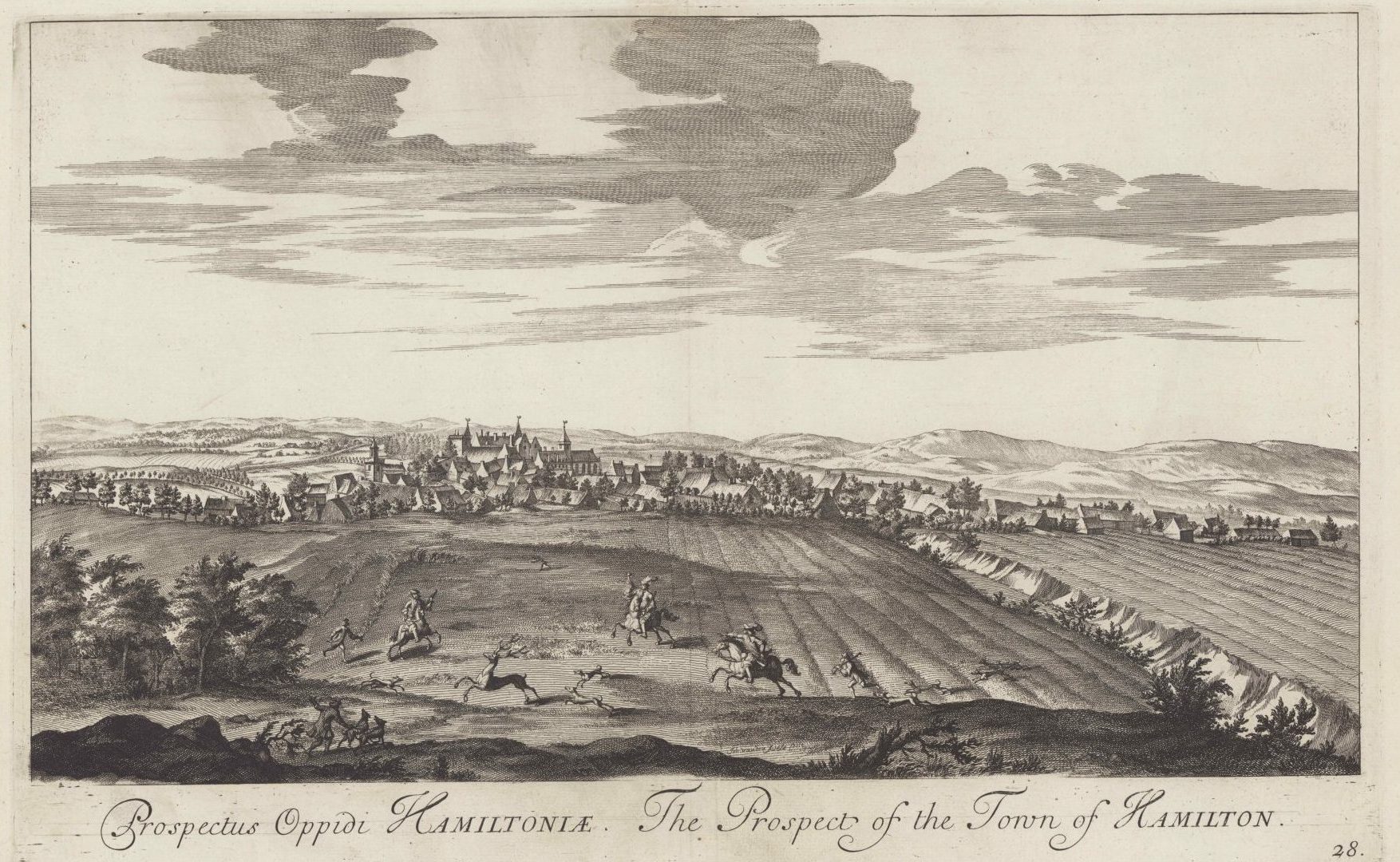
Hunting in early modern Scotland was a grand display of social status, intertwined with property rights and land management. Although historically accessible to commoners, stringent laws gradually restricted hunting to the elite. The 1685 Game Act cemented this exclusivity, thereby…
-
 3–5 minutes
Introducing Hopetoun House, Part 2: A Dynamic Complex
Hopetoun House, commissioned in 1698 by Lady Margaret Hope for her son Charles, was designed by Sir William Bruce and completed between 1699 and 1707. Expanded by William Adam, it reflects evolving architectural and social trends in 18th-century Scotland, showcasing…
-
 2–3 minutes
Introducing Hopetoun House, Part 1: Archival Sources
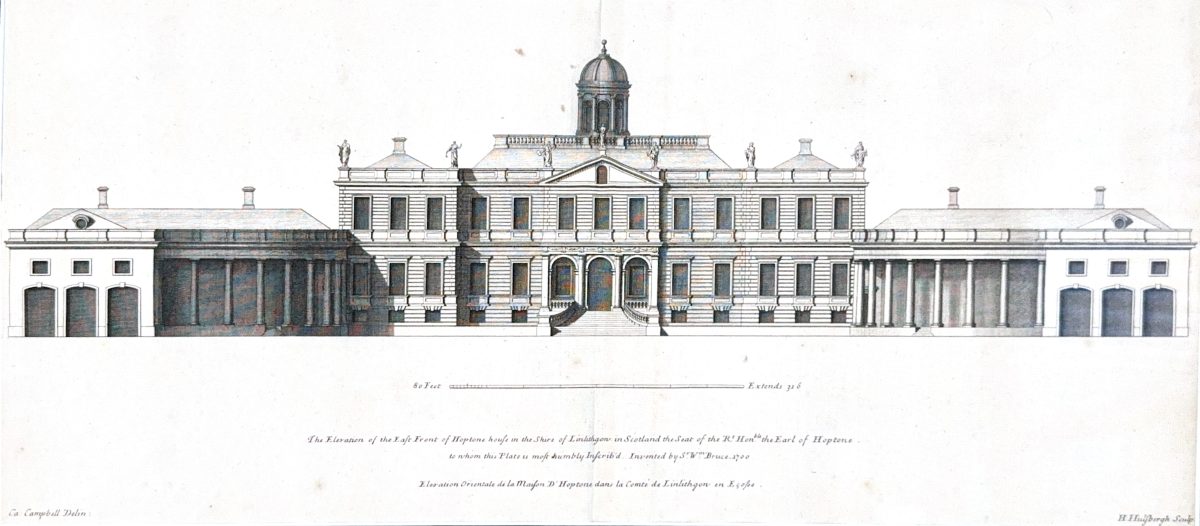
The project examines the eighteenth-century Scottish country house, particularly Hopetoun House, as a reflection of socio-economic shifts during the 1700s. It emphasises the significance of archival research, leveraging extensive materials from the Hopetoun Papers Trust to explore the house’s design,…
-
 4–6 minutes
The Very Rich Hours of the duke of Berry, Part 10: December Page
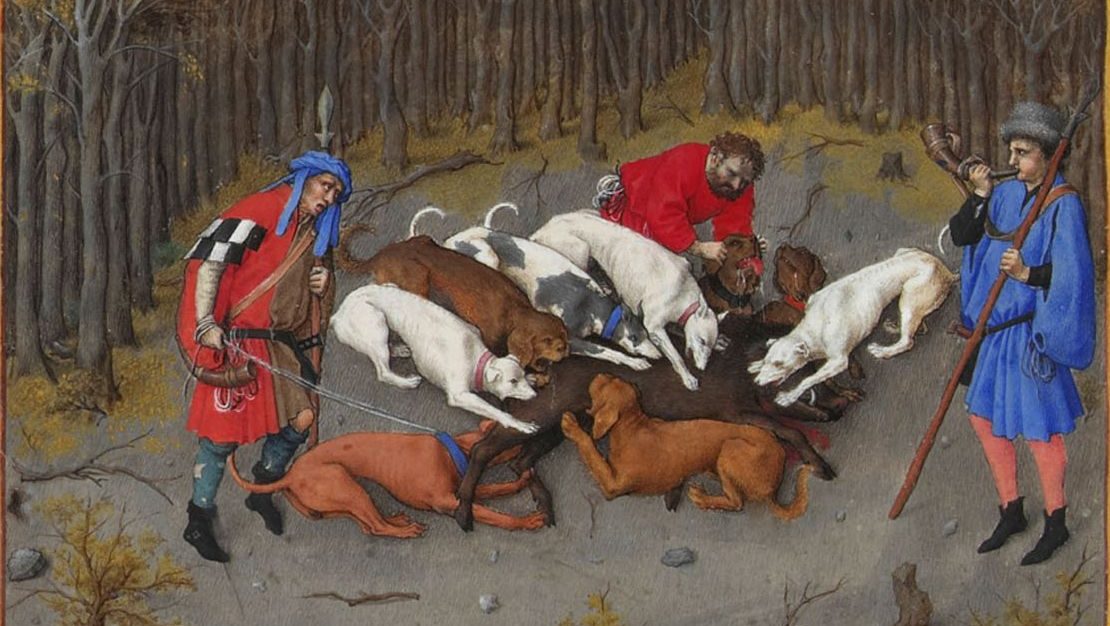
The December page of Les Très Riches Heures du Duc de Berry highlights the significance of boar hunting in noble culture, representing dominance, masculinity, and social ritual. It illustrates hunting’s role in training young aristocrats and reinforcing social hierarchies, alongside…
-
 3–4 minutes
The Very Rich Hours of the duke of Berry, Part 9: October and November Pages
The October and November pages highlight rural life in 15th-century France. October portrays farmers sowing seeds along the Seine, showcasing their struggles with birds and landownership issues. November features truffle hunting with pigs, illustrating historical agricultural practices and the land…
-
 2–3 minutes
The Very Rich Hours of the duke of Berry, Part 8: September Page
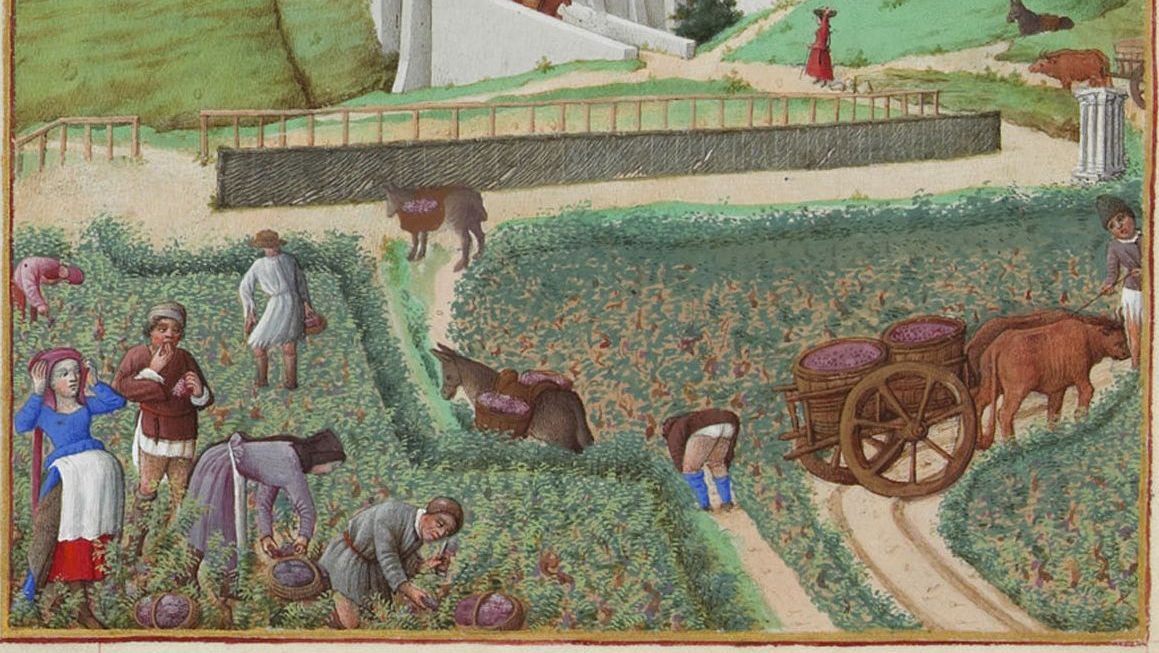
The page illustrates a two-phase painting depicting a grape harvest and knightly jousting, highlighting the stark societal divide in the Middle Ages. Peasants are shown labouring with a voyeuristic tone, while rituals like jousting remain exclusive to the elite. The…
-
 3–4 minutes
The Very Rich Hours of the duke of Berry, Part 7: August Page
This page juxtaposes the aristocracy and the peasantry simultaneously. Aristocrats enjoy the sport of hawking, where spaniels and hawks worked together to capture their prey while mounted hawkers watched. The peasants, meanwhile, harvest grain and swim in the summer heat.…
-
 3–4 minutes
The Very Rich Hours of the duke of Berry, Part 6: July Page
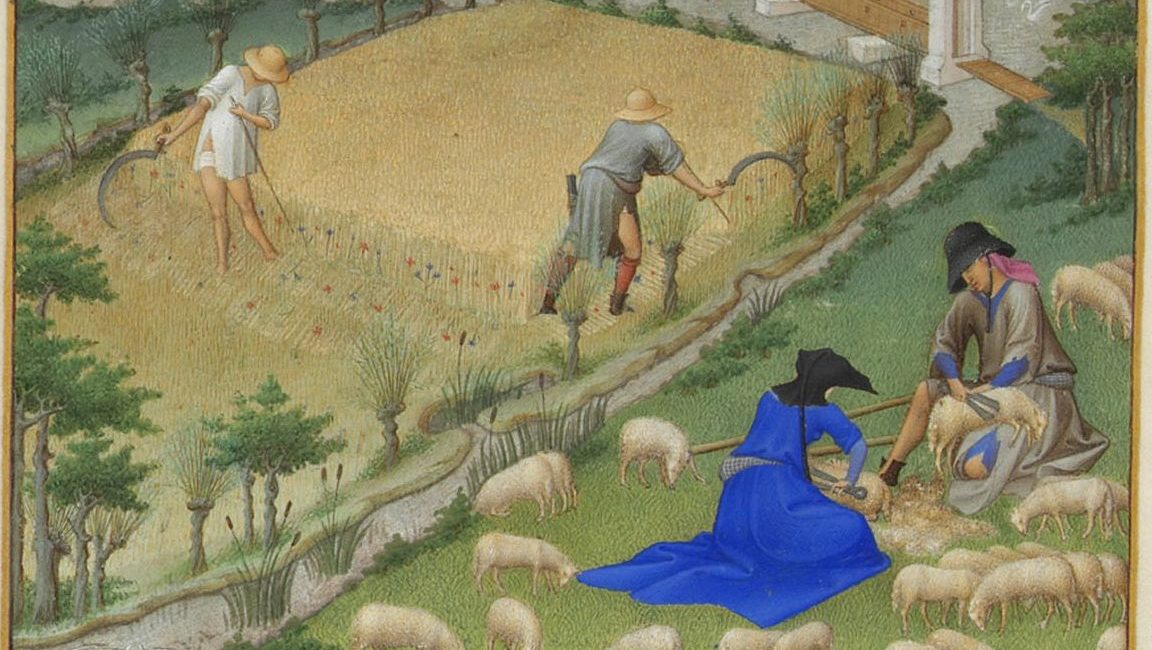
The July page illustrates summer harvest activities and sheep shearing near the Château of Poitiers, enhanced by the duke of Berry. It depicts a thriving agricultural setting, with varied clothing among peasants indicating differing wealth levels. The castle serves a…
-
 2–3 minutes
The Very Rich Hours of the duke of Berry, Part 5: June Page
The June page, created by Barthélemy d’Eyck in the 1480s, illustrates peasant haymaking activities vital for livestock feeding. The scene contrasts the nobility’s attire with peasant clothing, reflecting social hierarchies. It also highlights the agricultural divide from Parisian aristocracy, idealising…
-
 3–4 minutes
The Very Rich Hours of the duke of Berry, Part 4: April & May Pages
The April and May pages illustrate the lives of medieval nobility, highlighting a betrothal and May Day festivities. Marriage served as a political tool, forging alliances, while leisure activities underscored the divide between aristocrats and peasants. Noble attire, extravagant celebrations,…
-
 3–5 minutes
The Very Rich Hours of the duke of Berry, Part 3: March Page
The March page illustrates a peasant scene with Château de Lusignan, highlighting the duke of Berry’s influence. Peasants prepare land for planting, reflecting medieval agricultural practices. The shift from feudalism to tenancy is evident, as communal farming remains vital. This…
-
 2–4 minutes
The Very Rich Hours of the duke of Berry, Part 2: February Page
The February page of Les Très Riches Heures du Duc de Berry presents a peasant scene contrasting with January’s depiction. It features vulgarly depicted peasants by a fire. Surrounding elements highlight their subservient lifestyle under the duke of Berry, amidst…
-
 4–6 minutes
The Very Rich Hours of the duke of Berry, Part 1: January Page
The January page of Les Très Riches Heures du Duc de Berry illustrates the duke at an extravagant Epiphany feast, showcasing medieval traditions of communal dining and social hierarchy. It reflects the duke’s status, confidence, and piety in his prayer…
-
 3–5 minutes
The Very Rich Hours of the duke of Berry, Part 0: Key Background
Les Très Riches Heures du Duc de Berry is a 15th-century illuminated manuscript, significant for its artistic beauty and insights into late medieval Europe. Owned by Jean, Duke of Berry, it serves as a book of hours for personal piety.…
-
 3–5 minutes
Leonardo Da Vinci’s The Last Supper, part 3: Let’s talk about it!
Santa Maria delle Grazie, funded by Milan’s dukes, was strategically located to attract pilgrims and merchants. The friars in the refectory aimed for spiritual sustenance through simple meals and biblical readings. Leonardo’s Last Supper, a trompe l’oeil artwork, reflects this…
-
 3–5 minutes
Leonardo da Vinci’s The Last Supper, part 2: Who were the Mendicants?
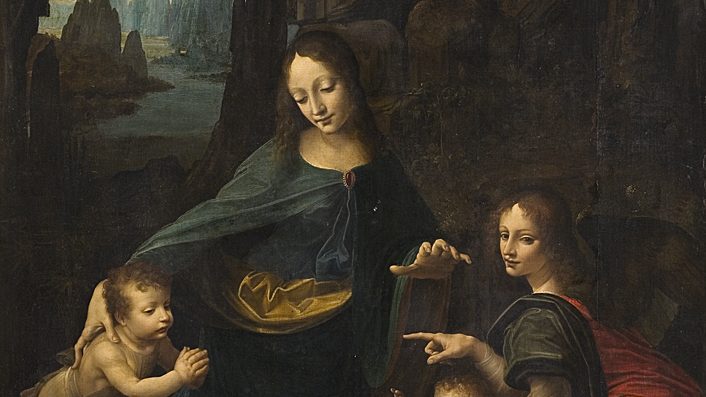
The painting’s significance is tied to Leonardo da Vinci’s pursuit of illusionism and its historical placement in the Dominican convent of Santa Maria delle Grazie, Milan. The Dominicans aimed to engage the public and push for reform through poverty and…
-
 4–5 minutes
Leonardo da Vinci’s The Last Supper, part 1: Let’s Rethink This Piece. Pretty Please.
This essay examines Leonardo da Vinci’s Last Supper, highlighting its significance in popular culture and art history. It criticises superficial analyses influenced by conspiracy theories and emphasises the importance of historical context. The painting, created in the late 15th century…
-
 3–5 minutes
Mona Lisa is not Mysterious or Enigmatic, part 4: Let’s Talk about Mona Lisa Finally!
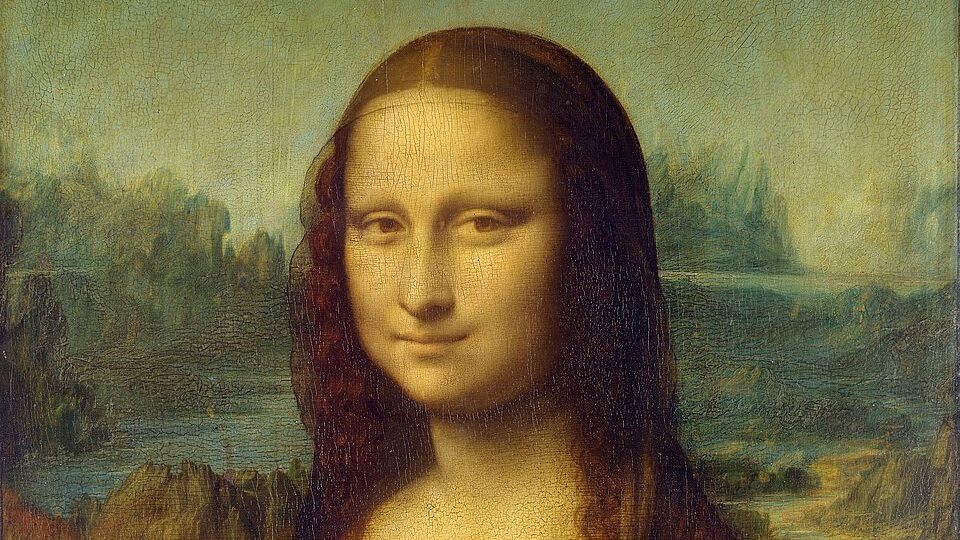
The Mona Lisa, painted by Leonardo da Vinci in the early 1500s, showcases his mastery in creating depth and humanity through techniques like sfumato. Celebrated for its unique portrayal of emotion and artistry, the painting gained fame after its theft…
-
 4–6 minutes
Mona Lisa is not Mysterious or Enigmatic, part 3: Portraiture in the Middle Ages and Early Renaissance
The text explores the emergence of Humanism during the medieval-Renaissance period, highlighting the influence of Antiquity on intellectual creativity. It discusses the impact of the Bubonic Plague on society and the connection between personal piety and art, particularly in donor…
-
 3–4 minutes
Medieval Burial Practices and the Concept of Purgatory
Caroline Bruzelius’s research reveals that the design of medieval churches was influenced by burial practices and theological beliefs, particularly the fear of Purgatory. The rise of Mendicant orders, like the Franciscans and Dominicans, coincided with this fear. This is reflected…
-
 6–9 minutes
Mona Lisa is not Mysterious or Enigmatic, Part 2: Medieval Stylistic Shifts
In the previous post [Part 1], I discussed how the late Middle Ages witnessed a stylistic shift in Christian art where it became more naturalized. This reflects that artists studied ancient Roman examples. Let’s look at some examples. Reims Cathedral…
-
3–4 minutes
Mona Lisa Is Not Mysterious or Enigmatic, Part 1: She’s Just Uncanny Valley
The content explores the significance of portraiture, particularly through the example of the Mona Lisa. It outlines the historical context of portraiture from ancient Egypt to the Renaissance, highlighting its socio-political roles. The discussion emphasises the importance of asking foundational…
-
 2–3 minutes
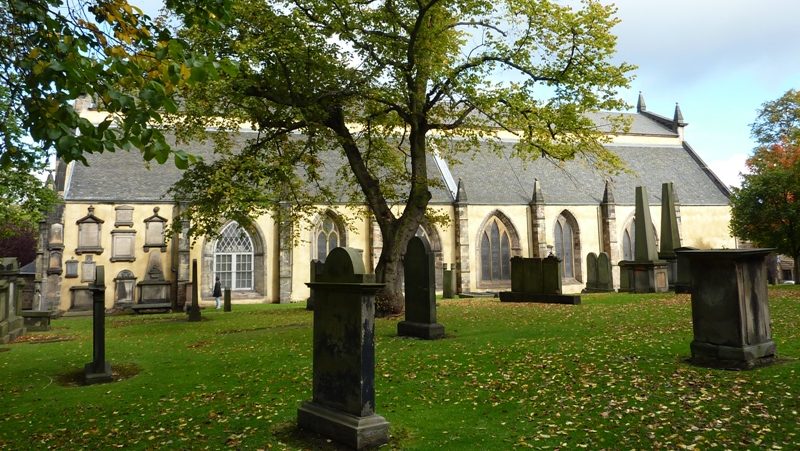
The Mendicant Orders in Edinburgh
Who Were the Mendicant Orders? The Mendicant orders spread from southern Europe north of the Alps and spread in popularity thanks to their mission of poverty, preaching, and charity. The Mendicant orders included the Dominicans and Franciscans, who built convents…
-
 3–5 minutes
Michelangelo’s David, Part 4: Now Let’s Talk about Michelangelo’s David
Michelangelo’s statue of David, a monumental 17-foot sculpture, depicts the biblical hero before his battle with Goliath. Unlike previous versions, Michelangelo’s rendering showcases David’s psychological tension and strength. Positioned in front of Palazzo Vecchio, the statue symbolises Florence’s republican ideals…
-
 3–5 minutes
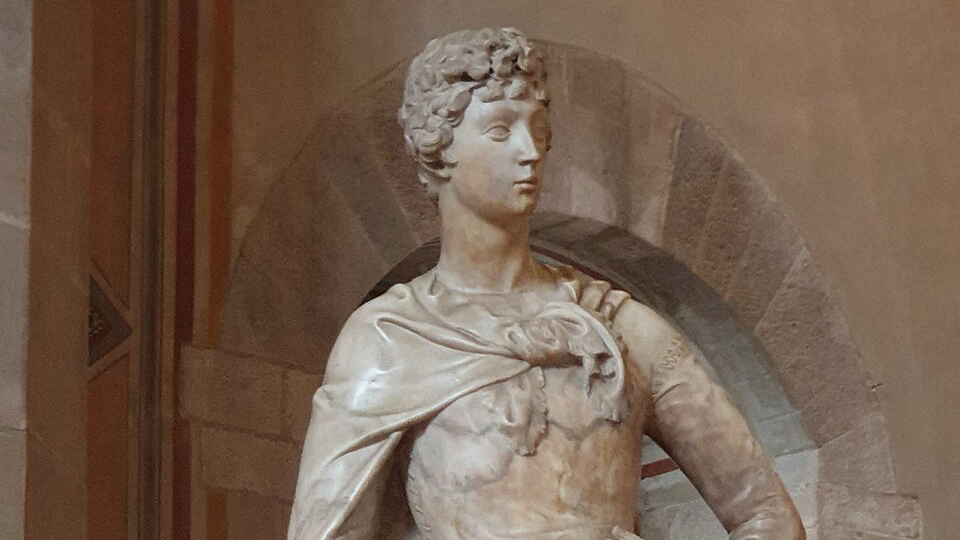
Michelangelo’s David, Part 3: David as a Florentine Cultural Symbol
Michelangelo created a powerful, kinetic rendition of David that even manages to tell some of the narrative.
-
 4–7 minutes
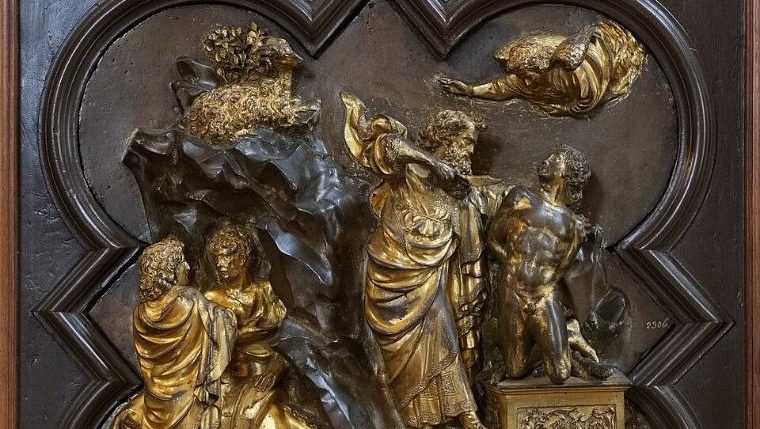
Michelangelo’s David, Part 2: Early Renaissance Works
In the early 15th century, artists like Ghiberti and Nanni di Banco infused naturalism and classicism into religious works, reflecting a resurgence of interest in Antiquity. Key examples include Ghiberti’s dynamic depiction of Abraham and Isaac and Nanni’s engaging portrayal…
-
 3–4 minutes
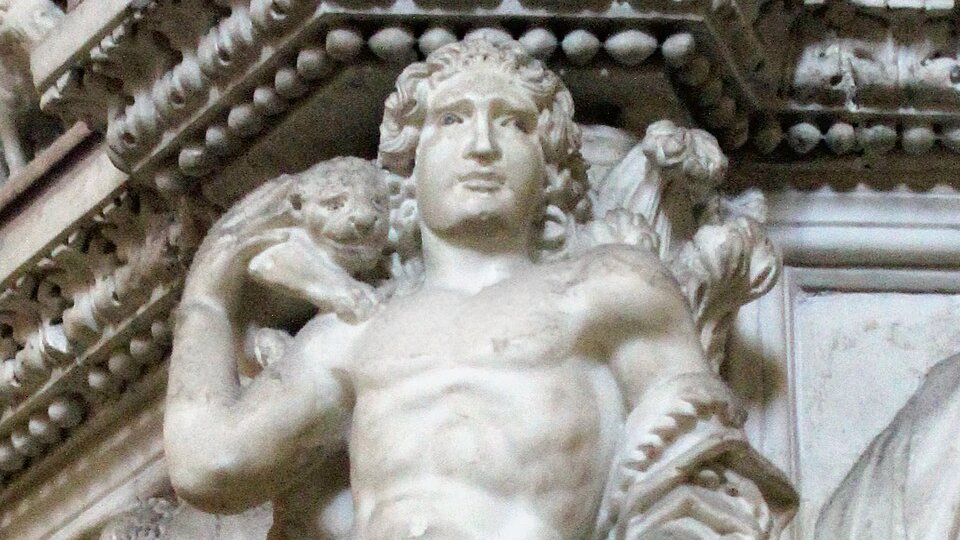
Michelangelo’s David, Part 1: Understanding the Intellectual Origins of the Renaissance
Florence’s medieval history showcases its resilience against powerful enemies, relying on wealth for mercenary armies. As a republic, it fostered civic pride and independence. The Renaissance revived interest in ancient Rome and Greek texts. This ignited intellectual and artistic creativity…
-
 3–5 minutes
History of Florence, Part 4: Savonarola and the Late Renaissance
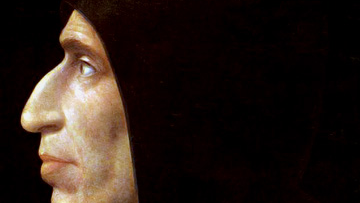
The final essay examines the unstable final decades of Florentine republican life. It follows the decline of Medici prestige, the rise of Savonarola, and the friar’s attempt to morally and spiritually remake the city through reform, censorship, and religious fervour.…
-
 3–4 minutes
History of Florence, Part 3: Renaissance Florence and the Rise of the Medici
This essay explores Florence during the fifteenth century, when the city became a major centre of humanist learning, artistic innovation, and political influence. It considers the revival of classical scholarship, the development of Renaissance culture, and the growing power of…
-
 4–6 minutes
History of Florence, Part 2: High Medieval History
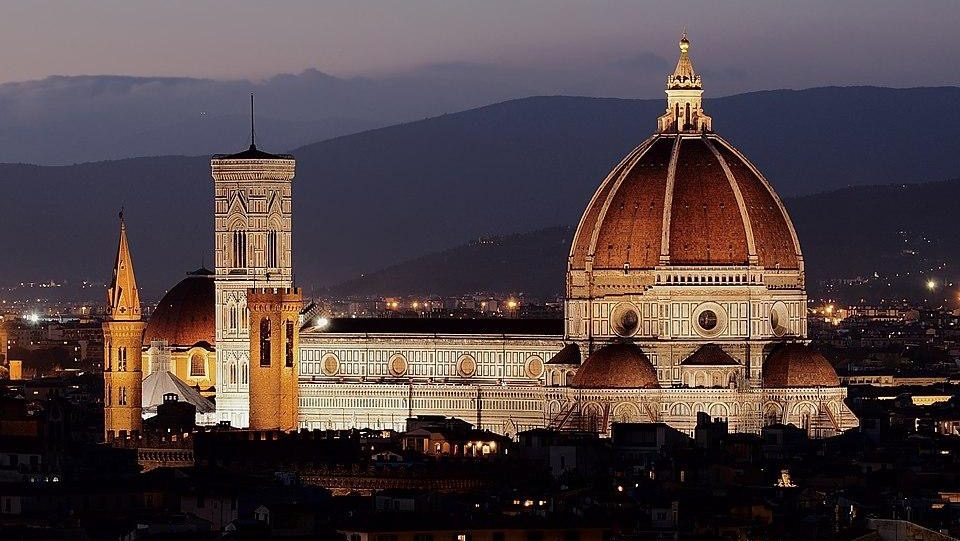
Part 2 turns to Florence’s emergence as a powerful commune and rising commercial centre during the High Middle Ages. It examines the Guelf-Ghibelline conflict, the city’s struggles with factionalism and war, and the growth of Florence’s financial and mercantile power.
-
 3–5 minutes
History of Florence, Part 1: Antiquity and Early Middle Ages
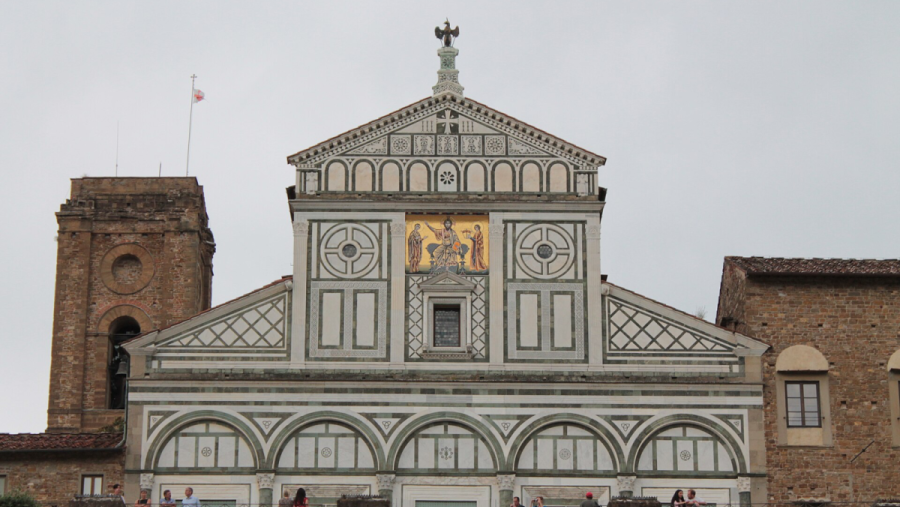
This opening essay explores the earliest phases of Florentine history, beginning with the Etruscan and Roman background of the region and the founding of Florentia as a Roman colony. It then follows the city through the instability of the post-Roman…
-
 5–7 minutes
Illuminating Books: What Are Illuminated Manuscripts?
In the Middle Ages, books were objects of extraordinary rarity and expense — hand-copied, hand-decorated, and accessible only to the Church and the very wealthy. This essay explores what illuminated manuscripts are, why they were made, and what they reveal…
For people who want to understand history, not just know it.
New essays on art, history, and architecture — delivered straight to your inbox.
New essays, no spam, unsubscribe anytime — Privacy Policy.